
From a retired professional meat cutter with 40+ years of trade experience in retail meat management and training.
You did everything right. You let it come up to room temperature. You got the pan screaming hot. You didn’t flip it forty times. You let it rest. And it still came out tough, gray, or chewy — and you walked away thinking you just can’t cook a steak.
Let me save you the guilt. After four decades behind the meat counter, I can tell you the truth: most “bad steaks” were never going to be good. They were doomed before they ever hit your pan. And it almost always comes down to one thing nobody checks at the case.
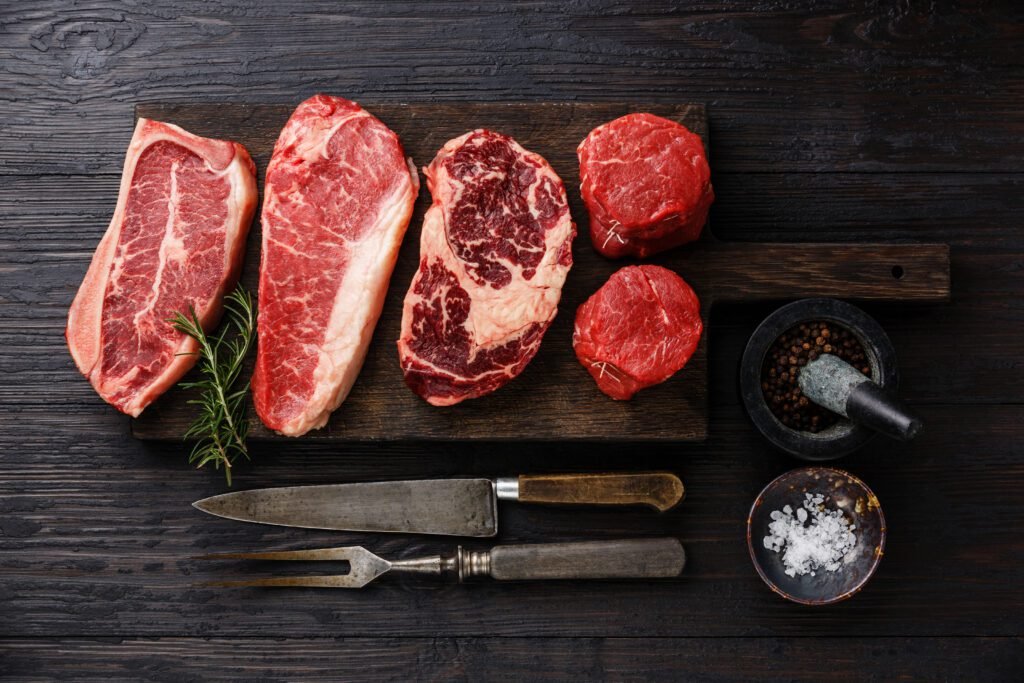
The steak was wrong before you bought it
Here’s what most people don’t realize: the word “steak” on a label tells you almost nothing about whether it’ll cook up tender. Two pieces of meat sitting six inches apart in the same case — same price, same color, same little plastic tray — can behave completely differently in the pan. One turns out like butter. The other fights you the whole way down.
The difference isn’t luck. It’s the muscle the steak came from, and it’s sitting right there in plain sight if you know what you’re looking at.
What I’m actually looking at when I pick a steak
When I walk up to a case, I’m not reading the price first. I’m reading the muscle structure, and you can learn to do the same in about thirty seconds.
Grain direction. Look at the lines running through the meat — that’s the muscle fiber. Tight, fine grain means a more tender steak. Coarse, ropey grain means that muscle did a lot of work on the animal, and it’s going to need help (or a different cooking method) to come out right. A lot of “tough steak” stories are really just a coarse-grained cut thrown on high heat like it was a ribeye.
Marbling — but not the way magazines mean it. Everyone’s heard “more marbling is better.” What they don’t tell you is that you want marbling spread evenly through the muscle, not one fat seam running along the edge with a dry, lean center. That edge fat renders off and runs out of the pan. The little flecks inside the muscle are what baste the steak from within and keep it juicy.
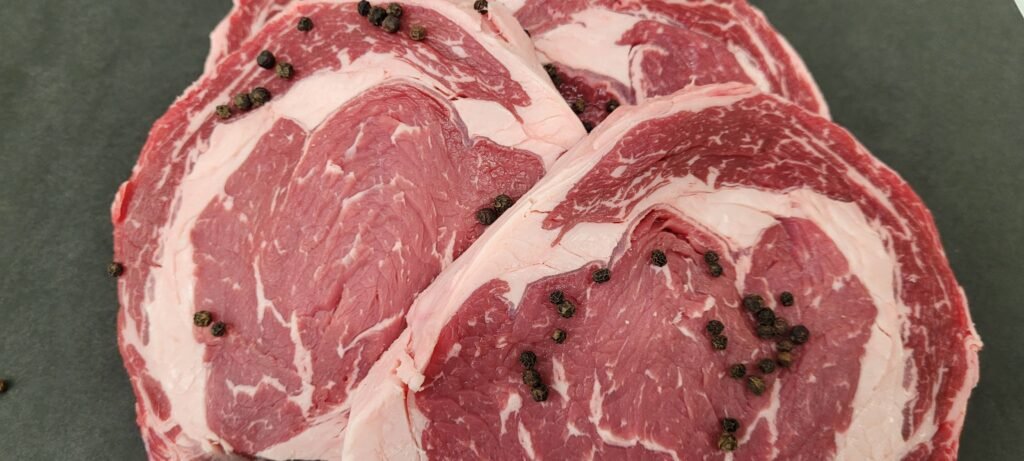
The seam you can see. If you spot a thick line of connective tissue (a silvery or whitish band) running through a steak, that band will not break down in the few minutes a steak spends in a hot pan. It’ll seize up and turn rubbery. That’s not a bad steak — it’s a steak that needed to be braised low and slow, not seared. Wrong tool for the job.
Why this matters more than your technique
You can have perfect technique and still lose if the cut was never meant for the method. A coarse-grained, connective-heavy piece will never be a tender quick-seared steak no matter how good your pan game is — but it might be an incredible pot roast or braise. Conversely, a fine-grained, evenly marbled cut is hard to ruin even if you’re new to this.
That’s the part the recipe blogs leave out. They’ll give you the perfect three-minutes-a-side instructions and never mention that the instructions assume you bought the right muscle in the first place. Most guides tell you what to do. After 40 years, I can tell you why — and the why is what stops you from buying a doomed steak ever again.
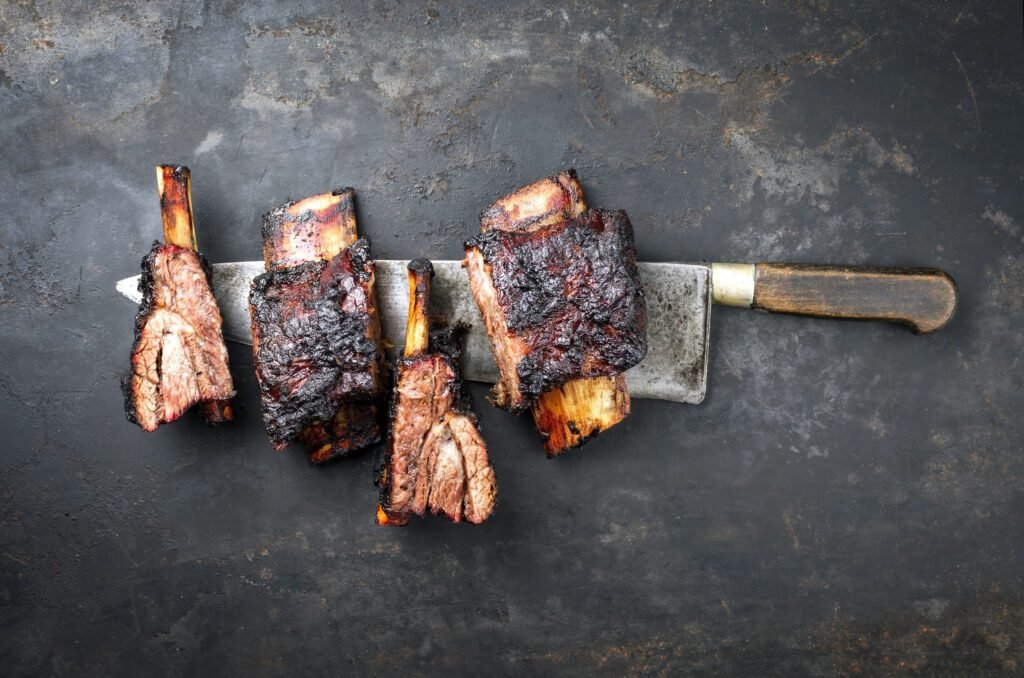
What to do next time you’re at the case
Slow down for thirty seconds before you grab the tray. Look at the grain. Look at where the fat actually is. Ask yourself whether you’re going to sear this hot and fast or cook it low and slow — because that decision should happen at the case, not at the stove. Pick the muscle that fits the method, and your “cooking problem” disappears.
That’s the whole game. It’s not talent. It’s knowing what you’re looking at.
I’m putting together a set of professional guides on choosing, cutting, and cooking beef the way someone who actually did this for a living would teach it — no guesswork, no food-blogger filler. If that’s useful to you, keep an eye on this blog; the first guides are coming soon.
George Edmonson Jr